

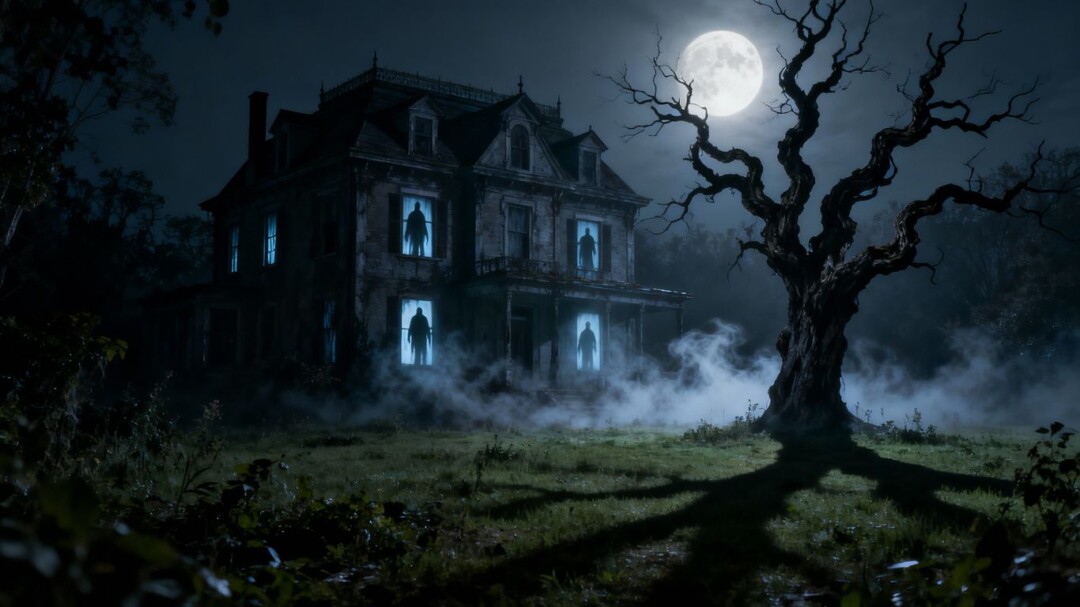
Buying a home can be a thrilling experience, but what happens when the property comes with a chilling past? This article delves into the intriguing world of "stigmatized properties," exploring how alleged paranormal activity, deaths, or other disturbing events can influence a home’s marketability and value. From legal disclosure requirements to the varying buyer perceptions, discover the unique challenges and opportunities presented by homes with a haunting history.
Key Takeaways
- Disclosure laws regarding paranormal activity vary significantly by state.
- A home’s disturbing history can negatively impact its market value.
- Some buyers are actually drawn to properties with a unique or spooky past.
- Even without supernatural fears, a home’s history can affect contractors and future renovations.
The Disclosure Dilemma
When considering a home, potential buyers might wonder if they should inquire about any spectral residents. However, in most states, sellers are not legally obligated to disclose alleged paranormal activity or even deaths that occurred on the property. For instance, Massachusetts law does not consider supernatural phenomena a "material fact" that must be disclosed. Similarly, Minnesota statutes exempt sellers from disclosing if a home was the site of a suicide, accidental death, natural death, or perceived paranormal activity. While sellers cannot lie if asked directly, they are generally not required to volunteer this information.
Stigmatized Properties and Property Value
Despite the lack of mandatory disclosure in many areas, a home’s unsettling history can undeniably affect its value. Ryan Dossey, co-founder of SoldFast, notes that services like DiedInHouse.com allow prospective buyers to research a property’s past, potentially uncovering details a seller might prefer to keep hidden. A landmark case, Reed v. King (1983), illustrated this point. A buyer successfully sued a seller for failing to disclose that a murder had occurred in the house, arguing that the home’s reputation significantly reduced its worth. The court ruled in favor of the buyer, establishing that such a history could indeed impact property value, leading to the concept of "stigmatized properties."
A Colorful History as a Selling Point
While some buyers are deterred by a property’s dark past, others find it an intriguing selling point. Joe Luciano, a Realtor specializing in historic homes in Salem, Massachusetts, has observed that many clients are attracted to properties with a deep or haunting history. He recounts instances where buyers were enthusiastic about homes located near historical sites or even funeral homes, embracing the unique mystique. For these individuals, a property’s narrative, however spooky, adds to its charm and desirability.
Navigating the Aftermath of a "Haunted" Purchase
Even for buyers unfazed by the supernatural, purchasing a stigmatized property can present practical challenges. Ryan Dossey shared an experience where contractors refused to work alone on a property after learning it was the site of a homicide, requiring significant persuasion to complete the renovation. Therefore, whether one is a believer or a skeptic, understanding one’s rights and responsibilities regarding stigmatized homes is crucial. Open communication with real estate agents and honesty among all parties involved are key, along with checking state-specific laws. While a creepy past might seem daunting, it’s a reminder that the real estate market, much like the afterlife, can hold unexpected surprises.